Dr. John Kramer: Translational Research in Acute Spinal Cord Injury
OnlineThis event will be held virtually: Zoom link
Learn More
This event will be held virtually: Zoom link
Diseases of the brain are among the most challenging disorders to diagnose and treat. Unlike cancer, where human tissue biopsy specimens are routinely collected, brain disorders lack routine access to […]
Dr. Edwards has offered to meet with researchers throughout the day on Feb 17 to discuss open science. If you are interested, please reach out to Paul Pavlidis (paul@msl.ubc.cs). Trainees […]
The cerebellum has evolved to support basic sensory-motor functions. In the human brain, the cerebellar circuitry has dramatically expanded and contributes to virtually every cognitive function, including working memory, language, […]
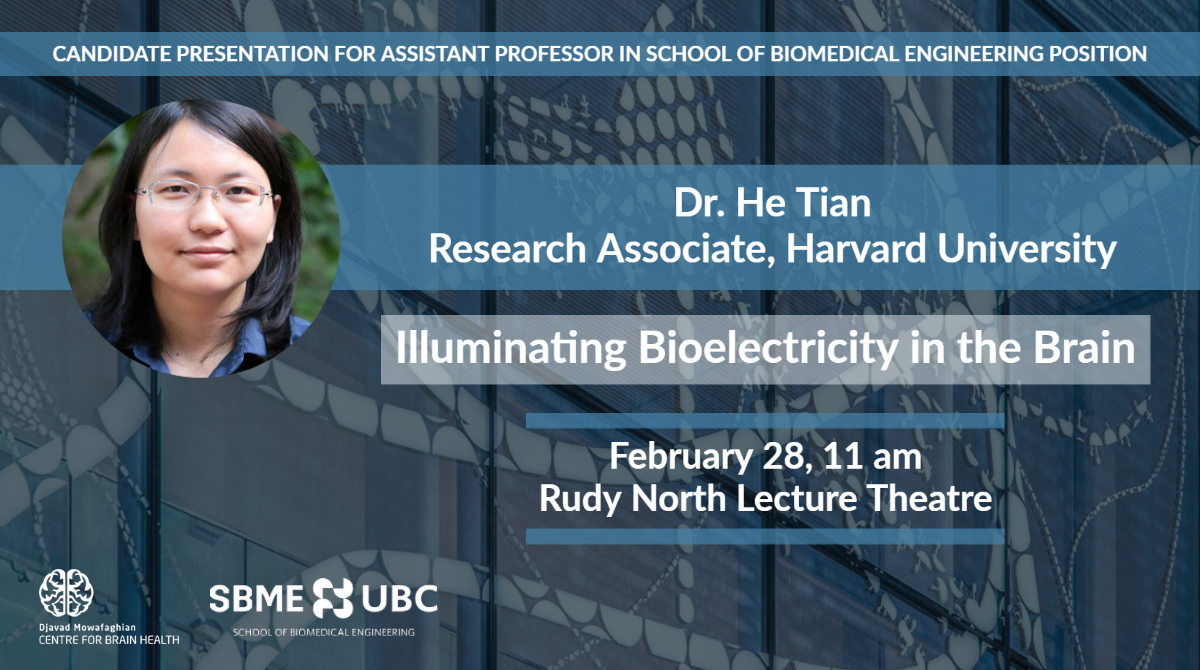
Please note this event is postponed until 12:00pm due to flight delays. The brain encodes and processes information through the dynamic membrane voltage of neurons. However, in vivo electrophysiology, i.e., […]
This month, the Mental Health and Addictions IRP will be having a round table where each group member introduces themselves, an overview of their research, and their hopes and dreams […]
Forum at which faculty from the BC Neuroscience community present topics along with an invited professor/Keynote speaker.
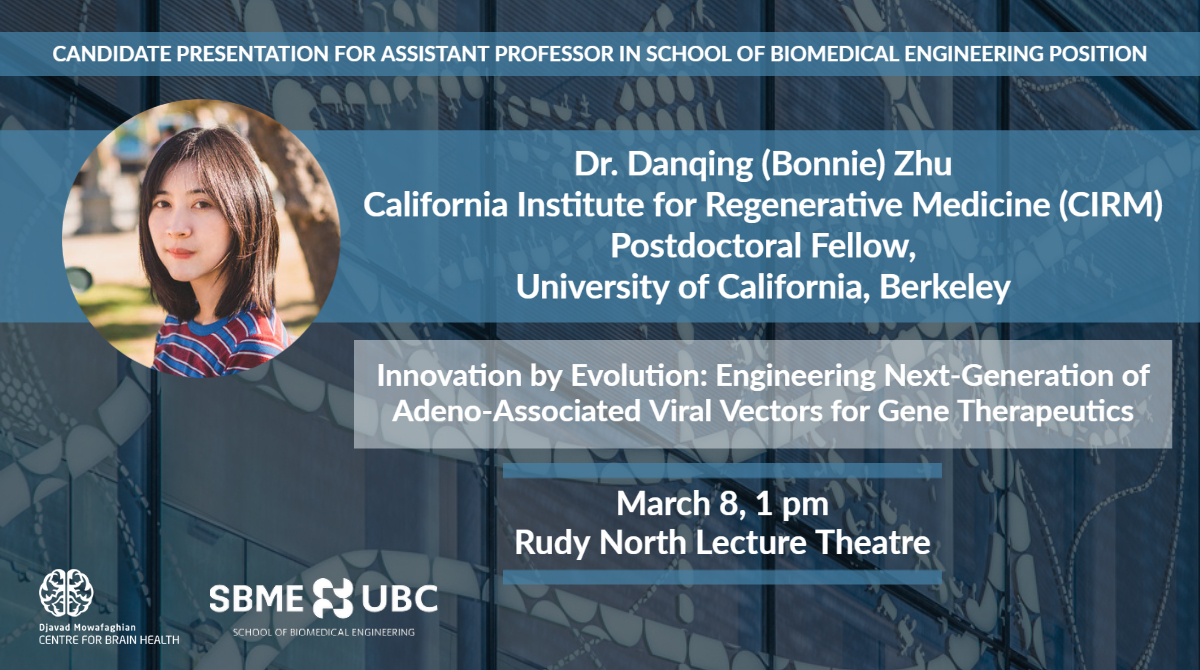
Gene therapy, the delivery of genetic material to the cells of a patient for therapeutic benefit, has been increasingly successful over the past decade. The most successful gene delivery vectors […]
Approach-avoidance (AA) conflict resolution is a form of decision making that is fundamentally important for survival and requires the effective evaluation of affective stimuli or events with mixed outcomes (positive […]
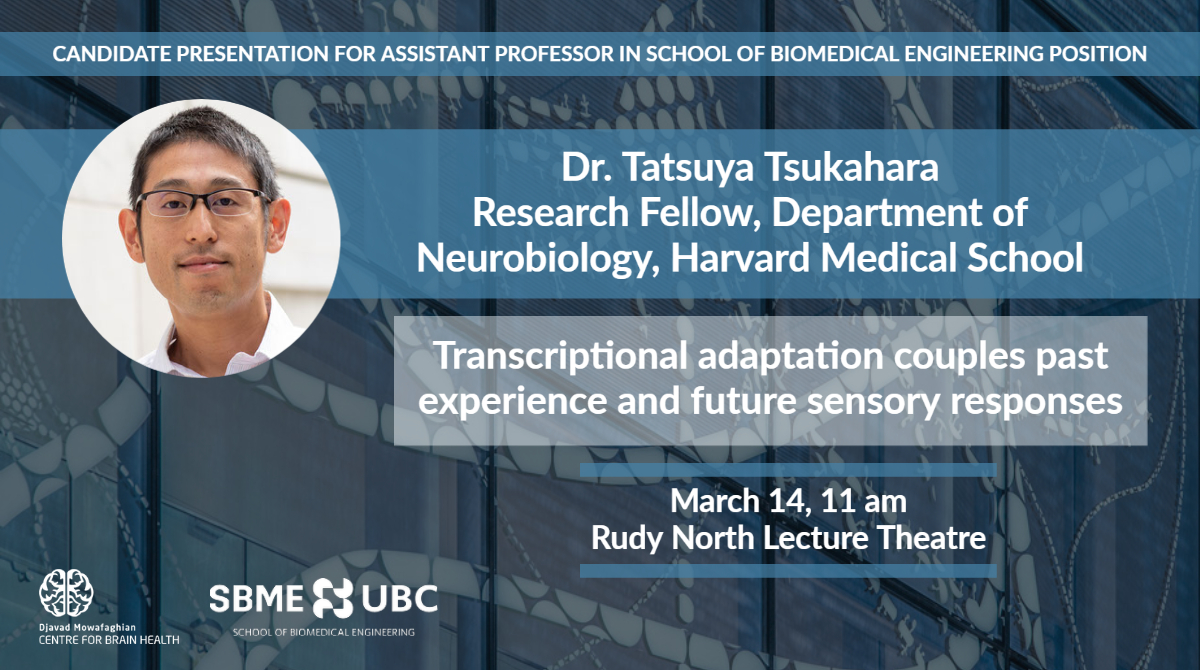
To interpret the sensory world and select appropriate actions, animals must distinguish persistent background stimuli from novel sensory cues. Sensory adaptation is a neural mechanism that enables such filtering of […]
To make adaptive decisions we must cast ourselves into the future and consider the outcomes of our potential choices. This prospective consideration is informed by our memories. I will discuss […]
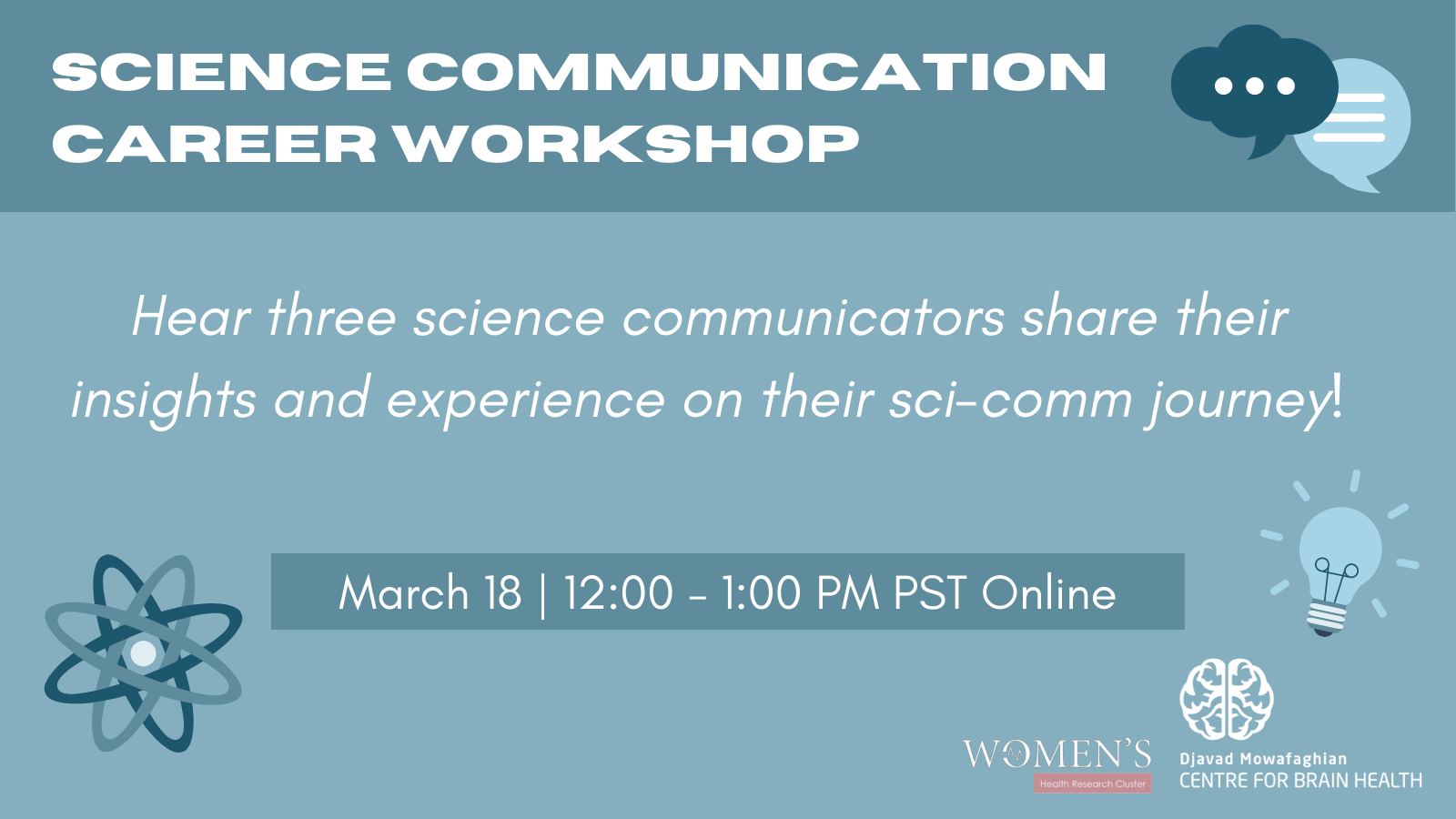
Are you interested in science communication as a career but aren’t sure how to make it happen? Join the Djavad Mowafaghian Centre for Brain Health and the Women’s Health Research […]
The Neuroscience Research Colloquium (NRC), is a series of lectures featuring local and international neuroscientists.