
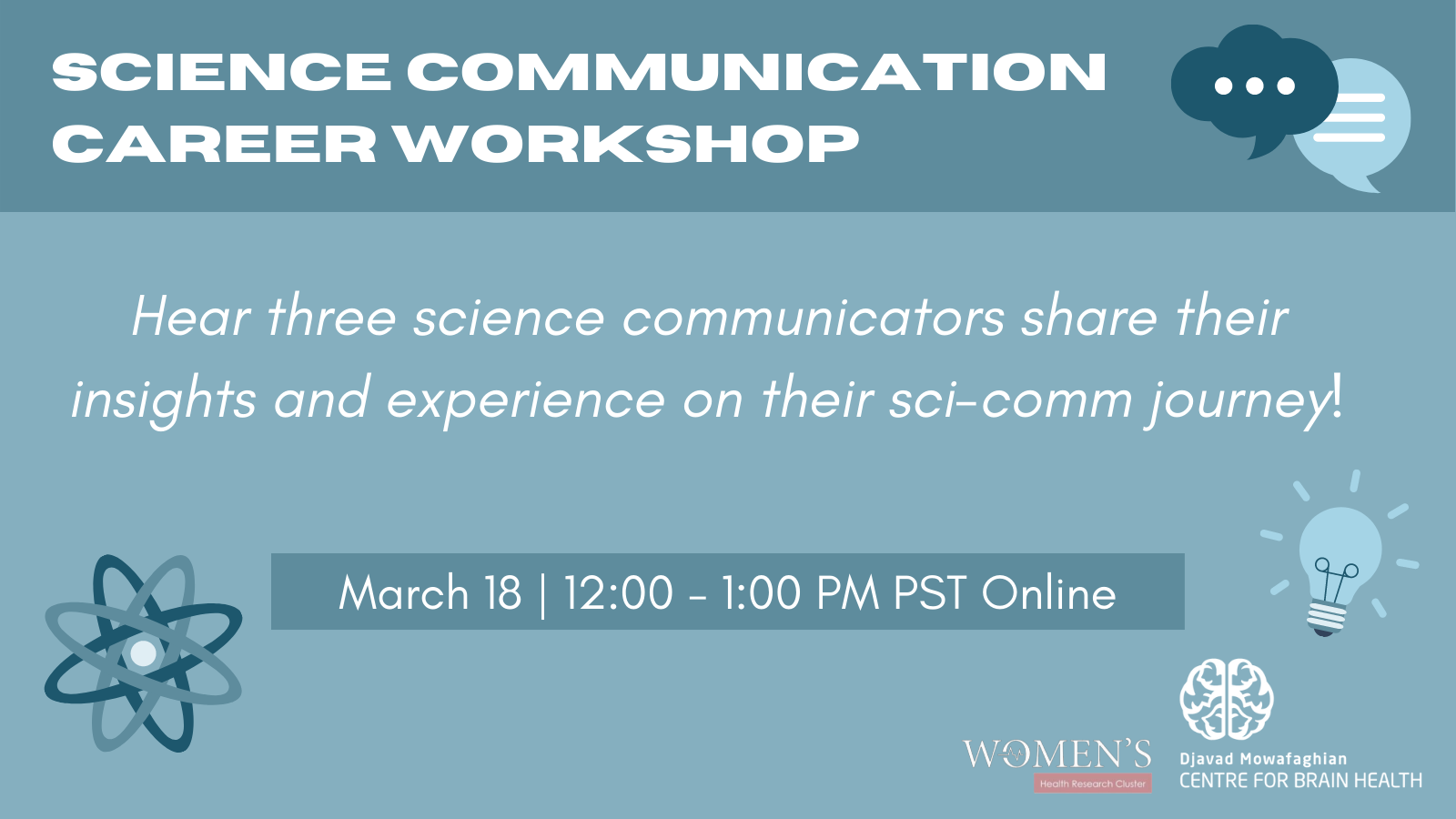
Science Communication Career Workshop
OnlineAre you interested in science communication as a career but aren’t sure how to make it happen? Join the Djavad Mowafaghian Centre for Brain Health and the Women’s Health Research […]
Learn More
Are you interested in science communication as a career but aren’t sure how to make it happen? Join the Djavad Mowafaghian Centre for Brain Health and the Women’s Health Research […]
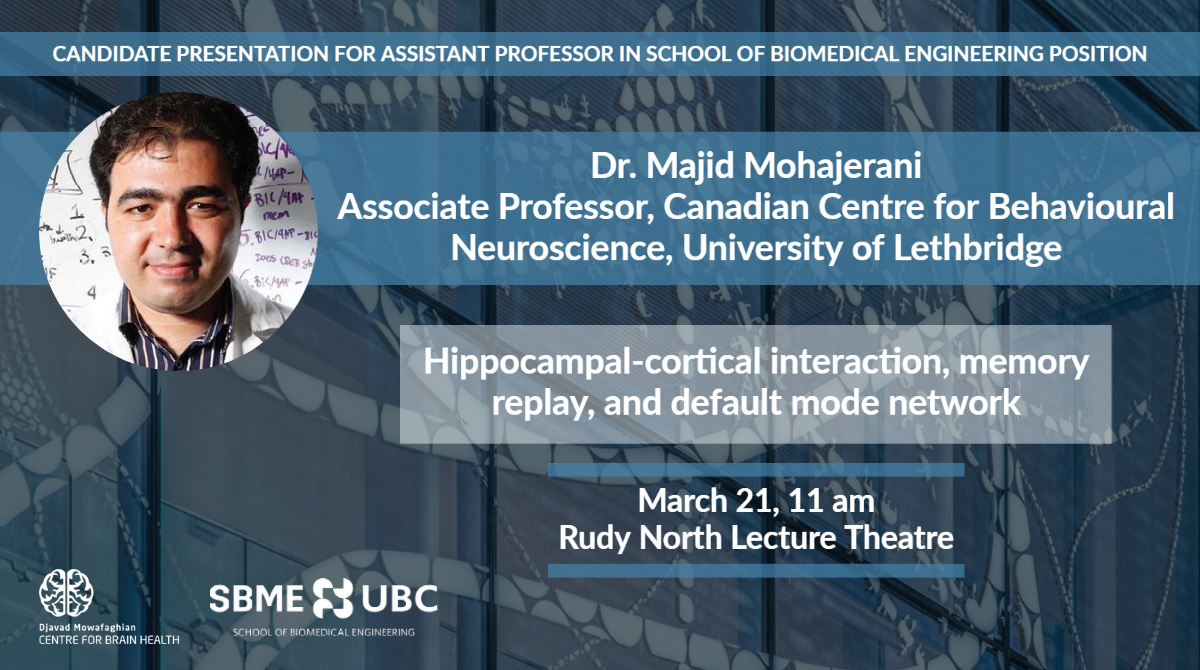
Spontaneous activity accounts for most of what the brain does and is likely to be key for information processing in the brain, but its function is still quite mysterious. Two […]
Speaking is a unique and defining human behavior. Over the past decade, we have focused on deciphering the basic neural code that underlies our ability to speak fluently. During speech […]
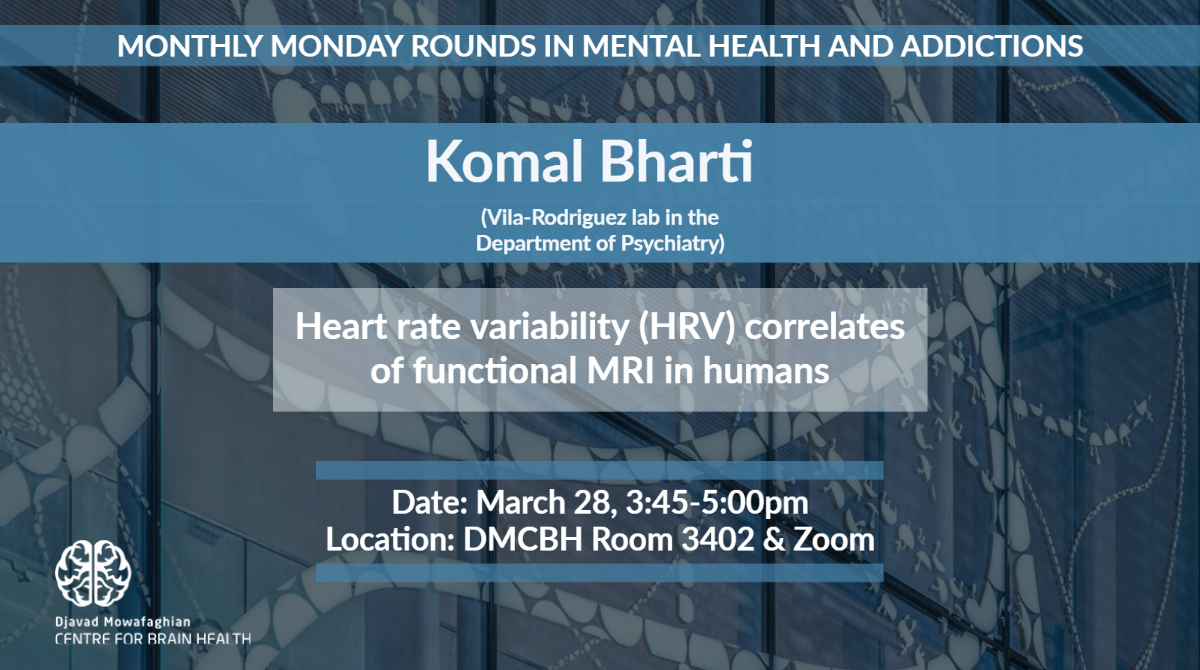
This month, Komal Bharti from the Vila-Rodriguez lab in the Department of Psychiatry will present on "Heart rate variability (HRV) correlates of functional MRI in humans." Zoom link if unable […]
Mild traumatic brain injury (mTBI) is the most common type of traumatic brain injury globally. Although its consequences may be short term, mTBI often leads to long-term neuropsychiatric and neurological impairments and has been estimated to increase the probability of later life dementia up to six-fold. It is presently not clear what neuropathological changes underlie […]
In 1973 John Heuser and Tom Reese demonstrated that neurotransmitter was released from neurons via the fusion of neurotransmitter-filled vesicles with the cell membrane. But at the same time, these experiments launched a controversy that is unresolved today – do vesicles collapse into the membrane and are then recycled slowly on the order of 20 […]
Dopamine is a neuromodulator that codes information on various time scales. I will discuss recent progress on the identification of fast release mechanisms for dopamine in the mouse striatum. I will present data on triggering mechanisms of dopamine release and evaluate its roles in striatal regulation. In the long-term, our work will allow for a better understanding of the mechanisms and […]
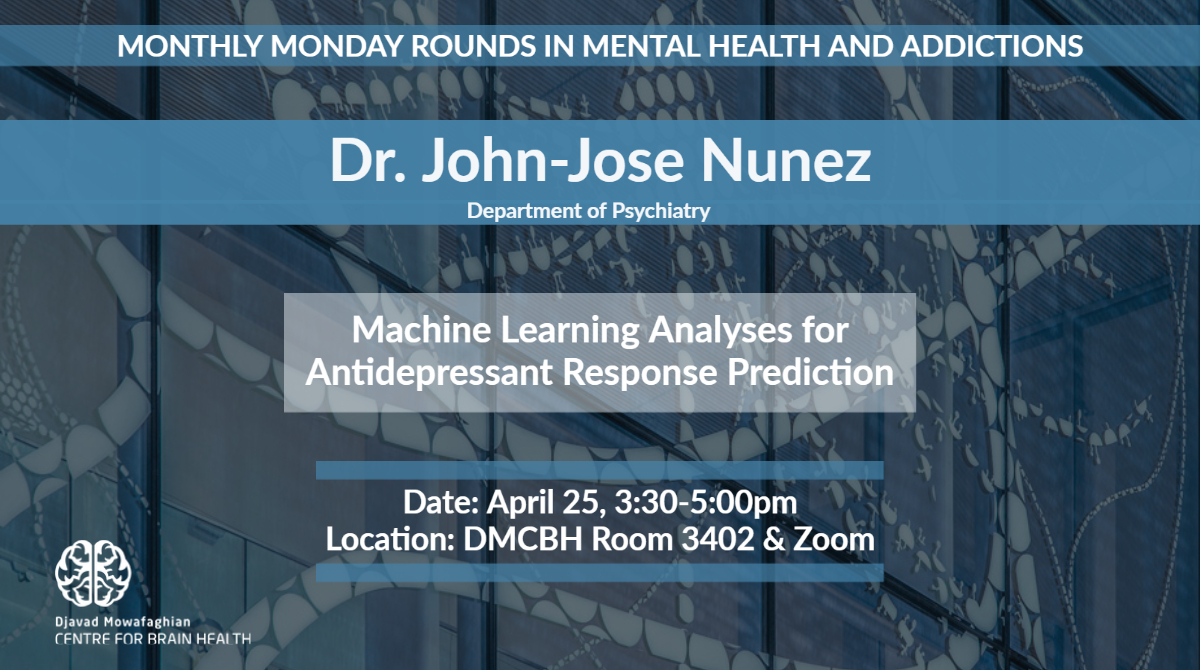
This month, Dr. John-Jose Nunez (Department of Psychiatry) will present on "Machine Learning Analyses for Antidepressant Response Prediction." Zoom link if unable to attend in person: https://ubc.zoom.us/j/5747966049?pwd=N1ppY2tUS3o4bk9vTkFSTzBna3k0Zz09 Meeting ID: 574 796 6049 Passcode: 052059
Mammals use a sophisticated, multi-regional memory system to guide behavior. A major goal of neuroscience is to understand the mechanisms—ranging from molecular to cellular to systems—that make this possible. Spruston will describe recent results from his lab using mouse behavior, patch-clamp recording, imaging, and RNA-seq, which collectively seek to elucidate how a diverse and complex […]
The Heller Lab research program is focused on discovering molecular mechanisms by which epigenetic reprogramming contributes to neuropsychiatric disease. To this end, Dr. Heller pioneered the use of targeted epigenetic editing in brain, to elucidate the precise causal role of histone posttranslational modifications on gene expression and alternative splicing in specific neuronal subpopulations. Dr. Heller […]
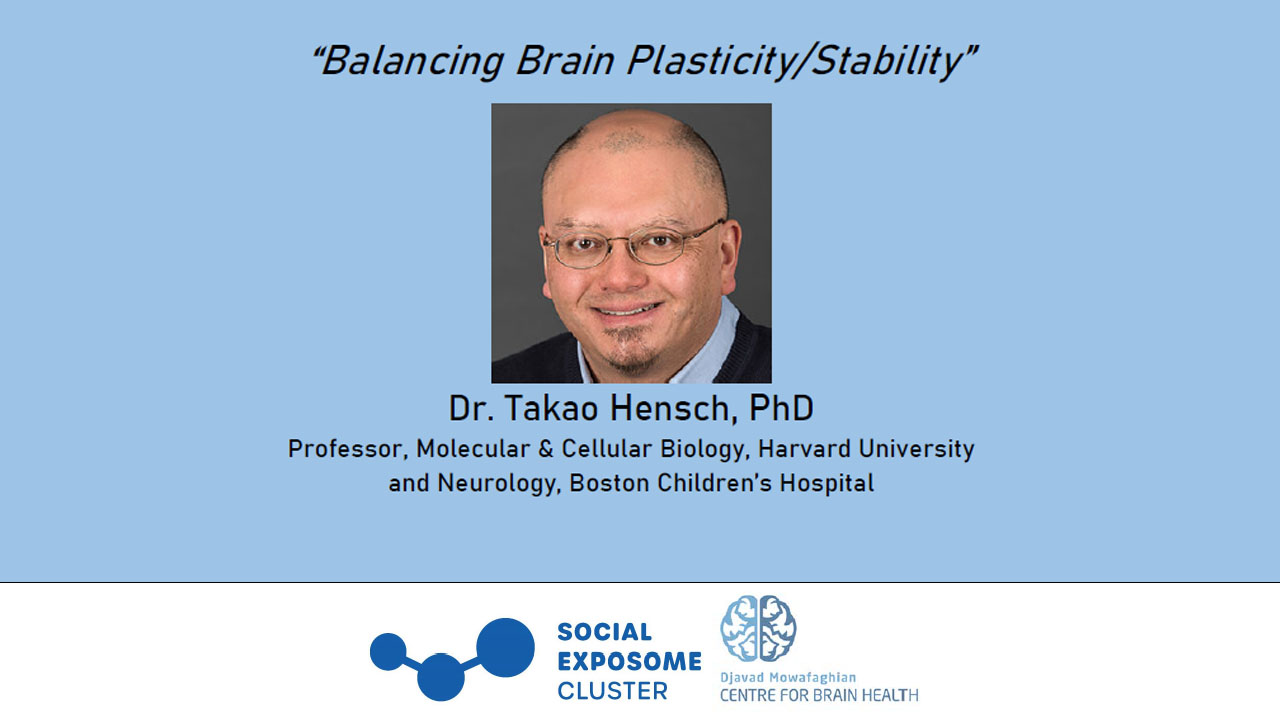
Brain function is largely shaped by experience in early life, creating windows of both great opportunity and vulnerability. Our work has focused on the biological basis for such critical periods, identifying both “triggers” and “brakes” on plasticity. Strikingly, the maturation of particular inhibitory circuits is pivotal for the onset timing of these windows. Manipulations of […]
We are looking forward to hosting this Research Retreat at UBC Okanagan! This event is open to all DMCBH members, postdoctoral fellows, research associates, PhD and MSc students affiliated with the DMCBH. REGISTRATION: Please note that registration has now closed. However, there are a limited number of spots remaining - please contact Clement Woo if […]
The Neuroscience Research Colloquium (NRC), is a series of lectures featuring local and international neuroscientists.