Congratulations to the 2025 Top Doctoral Student and Rising Star Award recipients!
The Vancouver Coastal Health Research Institute (VCHRI) is proud to support future research leaders with the Top Graduating Doctoral Student Awards and the Rising Star Awards. These awards recognize the outstanding efforts of VCHRI trainees whose pursuit of research has made them exceptional role models and significant contributors to the Vancouver Coastal Health and University of British Columbia research community. This year, three DMCBH trainees were featured as winners – excellent work!
Aysha Allard Brown
 Award: Top Graduating Doctoral Student
Supervisor: Dr. Brian Kwon
Area of research: Spinal cord injury
Thesis: Understanding blood pressure management and clot prevention in spinal cord injury hemorrhage
Aysha Allard Brown is an aspiring clinician-scientist whose unwavering perseverance, intellectual curiosity and leadership set her apart. Her dedication to research has earned her a CIHR Canada Graduate Scholarship Doctoral Award and a UBC Four Year Doctoral Fellowship, among other prestigious accolades. A committed mentor, she supports the next generation of scientists through academic initiatives including the ICORD seed2STEM summer research program for Indigenous youth.
Allard Brown’s research examines how first-line treatments after spinal cord injury (SCI) affect spinal cord hemorrhage. During her PhD, she also developed semi-automated methods to measure spinal cord bleeding using high-frequency ultrasound, magnetic resonance imaging and histology — marking a significant advancement in SCI research.
“Since bleeding in the spinal cord is linked to poor neurological recovery, understanding how early treatments affect its progression is essential,” says Allard Brown. “My research aims to guide decision-making during the critical first week after injury to reduce spinal cord hemorrhage and improve long-term recovery for patients.”
Jennifer Cooper
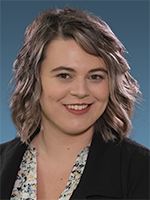 Award: Top Graduating Doctoral Student
Supervisor: Dr. Cheryl Wellington
Area of research: Alzheimer’s disease
Thesis: Transforming Alzheimer’s diagnosis with blood biomarkers
Jennifer Cooper is recognized for her research acumen, analytical thinking and commitment to science communication. With 18 publications and over 300 citations she effectively translates complex findings for a wide range of audiences. Her academic excellence, dedication and collaborative spirit have made her a valued peer and mentor.
Cooper’s passion for Alzheimer’s research drives her work on improving diagnostics for neurodegenerative diseases. She analyzed four key biomarkers in more than 4,000 blood samples from diverse Canadian populations, aiming to develop reliable, accessible tests to diagnose Alzheimer’s disease and better distinguish it from other forms of dementia.
“Using blood biomarkers in the diagnosis of Alzheimer’s disease will make early detection more accessible and affordable,” explains Cooper. “These blood tests will also improve clinical trials by helping researchers detect Alzheimer’s disease pathology to cater potential therapies to the most appropriate participants, accelerating the development of treatments.”
Jordan Bird
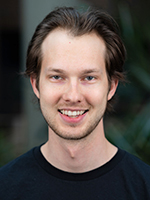 Award: Rising Star
Supervisor: Drs. Mypinder Sekhon and Ryan Hoiland
Area of research: Hypoxia and blood flow
Thesis: Assessing cerebral ischemia during the dying process
Jordan Bird is a second-year PhD student with an impressive early career trajectory. He has authored ten first-author publications and brings over five years of experience in both industry and academic research. Coming from a technical background in medical imaging, Bird has transposed his abilities to Vancouver General Hospital’s Intensive Care Unit (ICU) where his compassion and professionalism have provided support during end-of-life care.
Bird’s research investigates cerebral and systemic ischemia in palliative patients — specifically, the timing of brain blood flow cessation in relation to systemic blood flow. His findings underscore the importance of full-brain monitoring during the dying process in determining when brain blood flow truly stops instead of relying on systemic measurements.
“Coming from a medical imaging and data processing background has been invaluable in understanding the ICU data,” says Bird. “The results of our research have implications to death determination, organ donation and resuscitation sciences.”
Congratulations once again to all trainees for their outstanding efforts!