


Donate Funds
Join the impactful community of donors who support research, education and training in the Djavad Mowafaghian Centre for Brain Health by donating through the VGH+UBC Hospital Foundation.
Currently, the areas of greatest need are support for:
- Integrated, interdisciplinary teams conducting foundational and clinical research
- Cutting-edge research tools and technology shared across teams

Donate Your Time
There are many opportunities to participate in research. Opportunities specific to the Centre are listed below. New research projects come up often, so be sure to check back regularly.
To connect with research opportunities across the province visit:
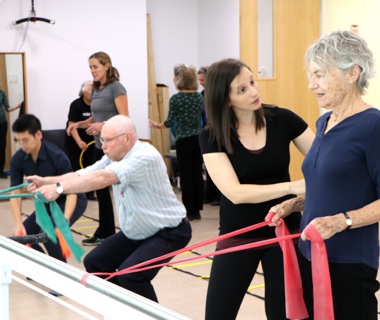
Current Opportunities
Participate in ongoing research studies and clinical trials led by Djavad Mowafaghian Centre for Brain Health scientists.
UBC PSI-FI lab
Study title: ORBIT
Project Lead: Dr. Mahesh Menon
Brief description of the study:
This study aims to examine how well the combination of therapies (cognitive behavioural therapy and cognitive remediation therapy) would work for improving symptoms of psychosis, cognitive skills (e.g., attention, memory, problem solving), and the ability to engage within one’s community. Separately, these two treatments have been evaluated in the past with promising results; however, it is unclear how well they work when combined.
The study is open to participants with a diagnosis of a schizophrenia spectrum disorder who have not had CBT or CRT within the past 6 months. Participants are randomized to one of three conditions (CR+CBT, CR + other therapy, or sham CR + CBT). Thus all participants will receive at least one clinical intervention. Participants will complete four assessments in total: one before treatment initiation, one shortly after treatment completion, as well as 6 and 12 month follow up assessments.
Eligibility:
- 19-60 years old
- Diagnosis of Schizophrenia-spectrum disorder
- Can read/speak English
- Has not received CBT or CR in the past six months
Compensation: Participants are paid $30 per assessment.
Contact information: psifi.lab@ubc.ca
Do you have multiple sclerosis? Are you aged 18+ and living in Canada? Dr. Ruth Ann Marrie is doing a study to determine the diversity traits of people with multiple sclerosis in Canada. This anonymous online survey takes 20-30 minutes to complete. If interested, email msepidemiology@nshealth.ca or go to https://redcap.link/MSdiversity.
Purpose:
The primary objective of this 96-week study is to evaluate the association of blood and imaging biomarkers with clinical measurements and outcomes in Multiple Sclerosis (MS).
We are using advanced MRI imaging techniques that measure myelin content, tissue microstructure, and sodium content in the brain. We are also collecting blood samples to measure changes in biomarkers during disease progression and treatment outcomes.
Together with routine clinical measurements collected, we aim to identify imaging and blood-based biomarkers that could be implemented in future clinical trials for better assessment of disease progression and treatment outcomes.
Eligibility:
Study staff will screen you for eligibility.
Eligibility for participants with MS
- Diagnosis of Multiple Sclerosis
- 19 years old and above
- Must be able to undergo MRI with contrast (MRI contraindications (implants, pregnancy, claustrophobia) would by default exclude the participant)
- No history of neurological disorder (other than MS)
- No history of drug and/or alcohol abuse
- Understanding of the English language
Eligibility for participants with NMOSD or MOGAD
- Diagnosed with either Neuromyelitis Optica Spectrum Disorder (NMOSD) and Myelin Oligodendrocyte Glycoprotein Antibody Disorder (MOGAD)
- 19 years old and above
- Must be able to undergo MRI (MRI contraindications (implants, pregnancy, claustrophobia) would by default exclude the participant)
- No history of drug and/or alcohol abuse
- Understanding of the English language
Eligibility for healthy control participants
- 19 years old and above
- Must be able to undergo MRI (MRI contraindications (implants, pregnancy, claustrophobia) would by default exclude the participant)
- No history of psychiatric or neurological disorder
- No history of drug and/or alcohol abuse
- Understanding of the English language
Study procedures:
The study involves 6 visits over 2 years. In Year 1, there are 5 visits every 12 weeks. At the end of Year 2, there is 1 final visit.
MRI scans and blood draws will be completed at every visit. Cognitive and clinical testing will be completed at baseline, Week 24, Week 48, and the final Week 96 visit.
Location: This study takes place in the Djavad Mowafaghian Centre for Brain Health, 2215 Wesbrook Mall, Vancouver, BC V6T 1Z3.
Principal Investigator: Anthony Traboulsee, MD, Professor, Division of Neurology, Department of Medicine, Faculty of Medicine, UBC.
Contact information: For more information about this study and how to enroll, please contact: scanme.up@ubc.ca or call 604 822 7752.
Study title: Cog-MP
Project Lead: Dr. Todd Woodward
Purpose: Memory is an important predictor of how well individuals affected by psychosis are able to function in their social and occupational lives. However, the exact structures and functions in the brain responsible for this relationship are currently unknown. Through this study, we would like to better understand the relationship between the brain, memory, and functioning. We hope that our findings will ultimately contribute to the improvement of functioning in psychosis.
Procedure: This is a neuroimaging study that involves two in-person visits. The first visit lasts approximately 2.5 hours, during which participants complete some questionnaires, clinical interviews, and cognitive tasks. The second visit also lasts about 2.5 hours. Participants perform some cognitive tasks and then undergo an MRI scan while completing tasks inside the scanner. Participants receive $40 for the first visit and $80 for the second visit, totalling $120 in cash.
Eligibility:
- diagnosis of a schizophrenia spectrum disorder
- between the ages of 18 and 60
- fluent in English
Location: UBC Hospital and Djavad Mowafaghian Centre for Brain Health at UBC.
Contact information: brain.dynamics@ubc.ca
Study title: AVATAR
Project Lead: Dr. Mahesh Menon
Purpose: Audio Visual Assisted Therapy for Refractory Auditory Hallucinations (AVATAR) is a groundbreaking new approach that was developed in the United Kingdom (UK). We are developing our own version of the Avatar therapy approach.
Procedure: Participants work with a therapist to collaboratively build an ‘Avatar’ which looks and sounds like the dominant voice that they struggle with. They engage in dialogue with the voice (with support from the therapist) to learn to respond assertively and increase their sense of control and power over the voices. Over the course of therapy, the Avatar changes from being demeaning or threatening to becoming more supportive. During therapy sessions, the participants will engage in dialogue with the Avatar using a virtual reality headset. This is a waitlist-control design so all participants will receive the therapy. They complete 4 assessments (at 3 month intervals), and are paid $30 per assessment ($120 in total).
Eligibility:
- diagnosis of a schizophrenia spectrum disorder who have struggled with persistent voices (occurring more than once a week for over 12 months)
- between the ages of 18 and 70
- fluent in English
Location: Detwiller Pavilion at UBC Hospital
Contact information: psifi.lab@ubc.ca
Advanced MRI research means that we gather different sequences (images) not typically collected on a routine clinical MRI. These images allow us to specifically look at myelin in fine detail along with other measures of brain structure and overall brain health. The goal of the research is to improve how we use MRI to assess new treatments for MS and to advance personalized care.
You may be eligible to participate if:
Individuals with MS
- <20 years from symptoms onset
- Able to undergo MRI with contrast
- Individuals with RRMS/SPMS: Age from 19-50 years; with active disease within past 2 years
- Individuals with PPMS: 19-55 years
Healthy volunteers
- age 19-50 years
- Able to undergo MRI and blood draw
- have no history of psychiatric or neurological disorders
Further inclusion criteria may apply.
The study involves 6 visits over 2 years. In Year 1, there are 5 visits every 12 weeks. At the end of Year 2, there is 1 final visit.
MRI scans and blood draws will be completed at every visit. Cognitive and clinical testing will be completed at baseline, Week 24, Week 48, and the final Week 96 visit.
Location: This study takes place in the Djavad Mowafaghian Centre for Brain Health, 2215 Wesbrook Mall, Vancouver, BC V6T 1Z3.
Principal Investigator: Shannon Kolind, PhD, Associate Professor, Division of Neurology, Department of Medicine, Faculty of Medicine, UBC
For more information about this study and how to enroll, please contact: Kolind.mriresearch@ubc.ca or call 604 822 7752
Study Title: SCANS: Spontaneous Craving and Neurophenomenology in Smokers (In-Person)
Researcher: Christian Schütz, PhD, MD, MPH, FRCPC (PI); Kalina Christoff, PhD; Stefanie Todesco, PhD Student
Description: The main purpose of this study is to assess a new method to study cigarette smokers’ experience of craving. To do this, you will be asked questions about your craving regularly while watching film clips.
Eligibility:
Who can participate?
The study team will determine your eligibility based on your responses to the following survey and through potential follow-up assessments completed via phone or in-person, if required.
You may be able to participate in this study if you:
- Are between 21 and 40 years old at the start of the study
- Smoke ≥10 cigarettes/day for at least 2 years
- Can verify smoking status with a breathalyzer
- Willing to abstain from smoking for ≥12 hours prior to 2nd visit
- Are not currently undergoing or seeking treatment for smoking
- Are able to provide informed consent
- Are able to complete assessments in English
Who should not participate in this study?
You may not be able to participate in this study if you:
- Have any diagnosed mental health disorder (current or in the past year) or potential mental health disorder, as determined by the research team
- Have other moderate-to-severe substance use disorders (other than nicotine), as determined by the research team
- Are using medications that may significantly impact performance on research tasks, as determined by the research team
- Have Autism Spectrum Disorder or other cognitive impairment that would affect performance on research tasks, as determined by the research team
- Have a non-correctable clinically significant sensory impairment (e.g., cannot hear well enough to complete an interview)
Location: If you agree to take part in this study, you will first need to complete an online survey to determine your eligibility. You may be contacted by phone or email to arrange completion of some follow-up questions (questions will be completed via phone interview).
If you are then invited to and agree to participate in-person sessions, you will complete 2 in-person sessions at the University of British Columbia.
Contact Information: Please contact our research team at brainlab.scans@ubc.ca to express interest or for questions/concerns.
Reimbursement/Time: Session 1: 1 hour; $20; Session 2: 1.5 hours; $30
Study End Date: On-going
Study Purpose:
The purpose of this study is to measure and predict medication wearing OFF episodes using biomarkers collected by a wearable wrist sensor.
Eligibility:
Participants must be:
- Aged 18 – 85
- Have a confirmed diagnosis of Parkinson’s Disease
- Experiencing at least 2-3 wearing OFF episodes per day
- Able to use a smartphone
- Fluent in English
Participation Includes:
- Screening phone call (10 min)
- In-person study visit (2 hrs)
-Questionnaires, assessments, and how to use the sensor
-Study visit will occur at UBC - Monitoring period (72 hrs)
-During this remote monitoring period, participants will be asked to wear the wrist sensor while going about their daily activities, as well as keep a log of any symptoms experienced.
Parking reimbursement provided.
Please contact for more information or with interest: gabriella.guerra@ubc.ca
This biobank will store biological samples and clinical data of people with Parkinson’s or other movement disorders as well as those without a neurological condition.
Do you want to boost motivation? This study examines the effects of listening to music or podcasts on motivation and brain health in people with Parkinson’s.
Do you want to change your lifestyle? This study examines the health effects of exercise, cooking, and mindfulness on those without a neurological condition.
Participate in Parkinson’s research and change your lifestyle! This study examines the health effects of exercise, cooking, and mindfulness on Parkinson’s Disease.
Do you have Parkinson’s Disease and depressive sympotoms? We are recruiting for a clinical trial examining the effects of a multistrain
probiotic on depressive symptoms in Parkinson’s disease.
Are you living with Parkinson’s Disease and interested in dietary interventions? This study examines how diet may affect the gut microbiome and Parkinson’s symptoms over an 18-month study.
This study examines how lifestyle factors (e.g. physical activity, diet) are related to cervical dystonia in an online survey.
Might the arts, such as music or writings, or social interaction improve memory or mood? To find out, we are looking for adults 55 or older to participate in our Power of the Arts study.
- Participation is free
- No travelling required – we can come to you
- All participants will receive a free audio player to keep
If you or someone you know might be interested, visit the link below to learn more.
Email: jrchan01@student.ubc.ca
Phone: 604-822-7404
This study is directed by Dr. Adele Diamond in the Faculty of Medicine at UBC.
Researchers in the lab of Dr. Tamara Vanderwal at BC Children’s Hospital are studying how the brain and body react to different types of music, to understand how music can help people with mental health disorders. This study looks at how the heart responds when we listen to different types of music. We are interested in looking at subtle differences in the time between heart beats, also known as heart rate variability. In adults, listening to music can cause changes in heart rate variability, but it’s not known whether children and adolescents respond in the same way. Participants with or without a mental health disorder will listen to four different pieces of music while having their heart rate and breathing monitored. We’ll also measure skin conductance by placing sticker electrodes on the hand. The goals of the study are to learn new information about the responses of youth with and without mental health disorders, and in the long term, to identify new ways of using music to help people.
Who can participate:
- Youth aged 11-17
- With no psychiatric disorder OR with a diagnosed psychiatric disorder and symptoms of anxiety or depression
- Without cardiac disorders
- Not taking medications that affect the heart
The study visit takes about 2 hours, and participants receive a $40 honorarium.
Interested in participating or finding out more? This link takes you to a secure form that you can fill out so that one of our researchers can contact you:
Researcher: Alexander Cook (Graduate student), Meriwether Morris (RA), and Hee Yeon Im (PI)
Description: This study seeks to evaluate participants’ learning of new motor movements through a behavioural task. You will first complete a few short visual assessments, followed by a computer task while being seated in an MEG scanner. Before you enter the scanner, we will place sensors along your hairline and just below your eyes.
Eligibility:
- 6-11 years of age
- Have normal or corrected-to-normal vision
- Have no metal in your body
Location:
SFU Imagetech Facility, Surrey Memorial Hospital
13750 96 Ave
Surrey, BC V3V 1Z2
Contact Information: If you’re interested and meet the eligibility criteria, please email Meriwether at ubcvcnlab@bcchr.ca
Reimbursement/Time: The study will be conducted in one session, lasting between an hour to two hours.
This study aims to investigate whether a specific combination of biomarkers can serve as predictors for how individuals experiencing a major depressive episode will respond to treatment.
Middle Ear Lab is conducting a study entitled “Long-term health effects of COVID-19 on the auditory and vestibular system.” Please consider helping us by volunteering as a participant in our study. To be eligible for this study, you should have a history of positive Polymerase Chain Reaction (PCR) or antigen test for COVID-19 virus three or more months ago.
Purpose: The primary goal of the proposed study is to establish a relationship between COVID-19 and hearing and balance impairments that can be used to devise intervention strategies to avoid further complications of hearing and balance problems.
How long will it take? It takes about five hours to complete a clinical hearing test and balance assessment. All tests will be conducted in two to three sessions at a time that is convenient for you.
Where should I go? Most testing will be completed in the Middle Ear Lab on the UBC campus in the IRC building. One test of balance assessment will be conducted at Dr. Eytan David’s clinic, one of the collaborators of this study, at 1221 Lonsdale Ave #101B, North Vancouver
What would I learn from these tests? You will have a complete hearing and balance check-up. As a participant in this pilot study, you will not be paid. However, you get full audiological and balance assessments without any cost Full audiological and balance assessments are provided at high cost in clinics. The results of this assessment will be communicated to you. Proper referral to your family physician will be done if indicated.
For more information about the study or to arrange for your participation, please contact the Middle Ear Lab at mel@audiospeech.ubc.ca to set up an appointment.
Dr. Manu Madhav’s lab is recruiting research volunteers to perform a virtual reality (VR) task where you will navigate a virtual 3D environment using a VR headset and controllers.
This will help us:
-
Understand how navigation behaviours change with aging and increasing task complexity
-
Develop a task that can measure cognitive decline during dementia
-
Compare human strategies with rats, who will run an analogous task on our physical, custom-built maze
During this study, you will navigate a maze in VR, while trying to remember the location of various landmarks. You will also be asked to provide some basic demographic information, as well as complete brief neuropsychiatric and cognitive assessments with one of our researchers. The study should take around 90 minutes to complete, and you will be offered $10.00 to cover transportation costs.
Participation Criteria:
-
Age 18 and up
-
Normal or corrected to normal vision
-
NO diagnosis of epilepsy or cognitive impairment
-
NOT prone to motion sickness, or have diagnosed vestibular discomfort
For more information about the study or to arrange for your participation, please contact the lab at nc4.recruit@ubc.ca or by phone at 604-827-3118.
Are you living with Multiple Sclerosis, aged between 30 and 65, and have maintained clinical stability for the past three months?
Join the MS-Detect study to assist in the validation of MSCOPILOT® Detect, a mobile application designed to monitor MS symptoms. By using the MSCOPILOT® Detect mobile app both at home and in the clinic with the study doctor, you can contribute to improving our understanding of Multiple Sclerosis progression.
To learn more, contact:
604-822-1756
MS.NMO_Research@ubc.ca
Researcher: Alexander Cook (Graduate student), Meriwether Morris (RA), Debbie Giaschi (PI) and Hee Yeon Im (PI)
Description: This study seeks to evaluate participants’ learning of new motor movements through a behavioural task. You will first complete a few short visual assessments, followed by a computer task while being seated in an MEG scanner. Before you enter the scanner, we will place sensors along your hairline and just below your eyes.
Eligibility: 6-10 years of age and have normal or corrected-to-normal vision
Location:
SFU Imagetech Facility, Surrey Memorial Hospital
13750 96 Ave
Surrey, BC V3V 1Z2
Contact Information: Please email Meriwether at ubcvcnlab@bcchr.ca
Reimbursement/Time: The study will be conducted in one session, lasting between an hour to two hours. You will receive $60 for your participation.
Do you have NMOSD or MOGAD?
Join a Canada-wide study that monitors clinical trends and responses to therapy in NMOSD, MOGAD and other atypical demyelinating disease populations over time. This is an observational study that follows patients at their annual clinic visits and aims to better understand disease patterns and improve quality of life for people living with these conditions.
To learn more, contact:
604-822-1756
MS.NMO_Research@ubc.ca
In this study, we investigate how human observers recognize complex visual patterns and objects such as letters and faces. You are invited to participate in this study because we would like to understand how visual recognition is normally accomplished in healthy human observers. Participants will be seated comfortably in front of a computer screen where they will view displays of visual stimuli. Participants will then be asked if they recognize the stimuli.
Eligibility: Participants should have normal or corrected to normal vision and hearing. Must be 19 years or older.
Location: ICORD at Vancouver General Hospital; 818 W 10th Ave, Vancouver, BC V5Z 1M9
Researcher: Dr. Ipek Oruc (Principal Investigator); Caitlin Long (Graduate Research Assistant)
Contact Information: Caitlin Long; caitlong@student.ubc.ca
Reimbursement/Time: The study will take approximately 1 hour, and participants will be compensated $10.
The UBC B.R.A.I.N. lab is looking for participants for a clinical trial to evaluate the efficacy and safety of psilocybin-assisted psychotherapy in adults with Alcohol Use Disorder (AUD). The preliminary trial results concerning this therapy have been encouraging and no serious adverse effects have been observed.
The trial will enroll individuals with alcohol dependence. Current alcohol consumption should be heavy to qualify for the Study. The total duration of the trial will be approximately 29 weeks including 13 visits to the trial site and laboratory visits.
You may be eligible for the trial if:
• You are over 19 years old
• You have alcohol dependence
• You use alcohol almost daily and in large amounts
• You wish to decrease the number of occasions on which you drink and/or the number of alcohol units you consume
• You do not use narcotics, Antabuse, naltrexone or mood-altering medications and you do not have hepatitis or liver or kidney failure or serious heart problems and you do not suffer from major depression
• It is possible for you to arrange a caregiver to accompany you for 24 hours after the drug administration
• You are not pregnant
If you are interested in participating, follow this link to see if you are eligible: https://flex.redcap.ubc.ca/surveys/?s=M4ETYE9YPCKMKWDL
If you are interested in participating or have any questions, please contact Cassie Choles (choles@student.ubc.ca)
This study investigates whether adding Cannabidiol (CBD) to the current medications of people diagnosed with bipolar disorder improves symptoms of depression over a 6-week period compared to a placebo. We are seeking people diagnosed with bipolar disorder (type 1 or 2) who are 19-70 years of age, currently experiencing a depressive episode, and taking a medication for mood stabilization (lithium, valproate/epival, risperidone, olanzapine, quetiapine, aripiprazole, ziprasidone, lamotrigine or a combination of these). The study involves clinical questionnaires, blood samples, and tests of memory, attention, and concentration. Compensation will be provided for participation. For more information, please email bipolar.research@ubc.ca or call at 604-822-8045.
More information can also be found at: https://bit.ly/UBCCBD
The Neuroscience, Engagement, and Smart Tech (NEST) lab at UBC is currently recruiting for a project looking at the impact of social robot use on older adults. The goal of the project is to co-create an evidence-based outcome measure for the use of social robots in dementia care. The Principal Investigator for this study is Dr. Julie Robillard, and the study is called “Co-creating an Outcome Measure For sOcial RoboTs in dementia care” (COMFORT).
They are currently looking for people lived experience of dementia, care partners of people with a lived experience of dementia, health care providers who work with individuals with dementia, roboticists, and measurement experts to participate in a 2-hour online workshop. Please note the use of video is required to verify the identity of participants.
If you are interested in participating:
- register your interest here: https://ubc.ca1.qualtrics.com/jfe/form/SV_daR5ri2KdsSOzJQ
- or email Susanna Martin, NEST lab research assistant at susanna.martin@ubc.ca.
We are currently recruiting individuals to participate in the Decisions on Driving program and provide feedback on its content. This is a University of British Columbia study.
What is involved:
You will be asked to join three, 1-hour group based sessions over zoom and complete a questionnaire both before and after the sessions.
Who can participate:
• Definitive diagnosis of Parkinson’s disease (PD) or multiple sclerosis (MS)
• Current patient of either the UBC Movement Disorders Clinic or UBC Multiple Sclerosis Clinic
• 19 years of age or older
• Living in the community
• Current driver with valid Class 5 license
• Able to read and communicate in English
• Access to computer, smartphone or tablet with Zoom technology
Who cannot participate:
• People who have been identified by Road Safety BC or other entity as requiring a driving assessment
• People who have been determined not fit to drive
Principle Investigator:
Dr. Susan Forwell, UBC Department of Occupational Science and Occupational Therapy
Primary Contact:
Jeremy Au | 604-500-2303 | jerau@student.ubc.ca
The Aging, Mobility, & Cognitive Health Laboratory is conducting a study to determine whether high-intensity interval training (HIIT), a popular form of exercise, will benefit cognitive function and brain health in those going through menopause transition.
The study is 12 weeks in duration and participants will receive free, supervised exercise sessions 3 times a week. HIIT training will be performed on the treadmill.
In order to be eligible for the study, you must:
- Be a biological female, as assigned at birth
- Be between 40 and 55 years of age
- Be perimenopausal
- Have an intact uterus
- Have completed high school education
- Read, write, and speak English
- Be able to walk independently
We are recruiting participants on an ongoing basis, and can schedule screening sessions with you Monday through Friday. If you are interested, would like to see if you may be eligible, or would like more information, please contact:
Sarah Heath, Recruitment Coordinator
Phone: 604-875-4111 ext. 69313
Email: cogmob.research@ubc.ca
Who: Healthy volunteers over 50, normal or corrected to normal vision
What: Simple computer gambling games and questionnaires
When: Two separate morning sessions; 3.5 hours total time
Where: Vancouver General Hospital campus
Compensation: Cash bonuses earned on the gambling games
Contact: eflynn02@mail.ubc.ca
SOSTOS is a clinical research study that may find out if patients who have not had a relapse within the past 6 months might benefit from switching to ofatumumab (study drug) compared to continuing on their current MS treatment. The study will also look at neurofilament light (NfL) which is a biomarker that may indicate a neurological decline. The study will look to see if patients with an elevated NfL may have a greater benefit from switching to study drug compared to staying on current treatment.
You may be eligible to participate if:
- Have been diagnosed with RRMS
- Are 18-45 years of age
- Are on a current treatment for MS for at least 6 months
- Have not had a relapse within the last 6 months
- Agree to wear a study watch if selected
- Are willing to have 3 magnetic resonance imaging scans
What is involved: If you qualify and agree to join SOSTOS, you will be in the study for approximately 22 months and asked to come in for office visits about 12 times. You will be randomly selected to either continue on your current MS therapy or switch to ofatumumab treatment during that time. When you attend study visits, activities will include MRI scans, blood draws, physical and neurological exams, and other testing designed to measure your health and MS disease.
Location: This study takes place in the Djavad Mowafaghian Centre for Brain Health, 2215 Wesbrook Mall, Vancouver, BC V6T 1Z3.
To participate or inquire: please the MS Clinical Trials Group at MS.NMO_Research@ubc.ca or 604-822-1756.
Principal investigator: Dr. Alice Schabas, Department of Medicine
Study sponsor: Novartis Pharmaceuticals Canada Inc.
More information: https://clinicaltrials.gov/ct2/show/NCT05090371
The purpose of our study is to explore the use of two separate non-medication treatments, light therapy and ion therapy, as maintenance treatment in major depression. We are interested in exploring factors affecting the two treatments as maintenance treatments (to help prevent the return of symptoms) instead of medications in people with Major Depressive Disorders who wish to stop their antidepressant treatment.
Participation would include daily use of a bright light device or ion device provided by our clinic for 6 months, as well as regularly completing self-rated scales and meeting the study doctor for assessments. However, half of the treatment devices have been modified so that they are inactive (placebo). You have a 1 in 2 chance (like flipping a coin) of receiving an active or an inactive device.
You may be eligible for our study if you:
- are 19-65 years old
- meet criteria for major depressive disorder (not bipolar disorder) and have had two or more episodes of depression
- are currently taking an antidepressant for depression, and have taken it continuously for at least 3 months and no more than 12 months, with no dose change in the past month
- are interested in or are considering stopping your antidepressant
- are feeling well (no longer depressed) and in remission, according to a clinical interview
- do not have a seasonal pattern of depressive episodes (seasonal affective disorder)
- have no other major medical conditions or psychiatric conditions (except for major depressive disorder);
- do not have a problem with substance use currently or within the past 6 months.
For more information about this study and how to enroll, please contact: Lam.MDDResearch2@ubc.ca
Location: UBC Hospital
Compensation: an honorarium for each in-person visit
This study is being conducted by Dr. Raymond Lam at the Mood Disorders Centre, UBC Hospital.
Are you interested in getting your brain scanned? We’re recruiting able bodied participants (ages 18 – 60) not diagnosed with chronic pain, spinal cord injury, or other major health conditions for an Magnetic resonance imaging (MRI)/Magnetic resonance spectroscopy (MRS) scan to investigate pain sensitivity. Participation will involve 2 hours of testing at the Blusson Spinal Cord Centre (recording electroencephalogram (EEG) activity with laser exposure) and 1.5 hours at DMCBH (for the MRI and MRS scan).
If you are interested in participating or have any questions, please contact Cassie Choles (ccholes@student.ubc.ca) for further details!
The purpose of this study is gather qualitative data from clinicians and care providers to assess the feasibility and efficacy of implementing a novel cognitive remediation program for treating treating cognitive deficits related to depression through the usage of immersive virtual reality.
Donate Your Samples
The Centre is home to a biobank, which collects human biospecimens and associated data, and provides a unique opportunity to get involved in research.
FAQ: Getting involved with research at the Centre
Below are some frequently asked questions about donating time, funds and samples to the Centre.
At this time, we do not accept whole-brain donations. Please contact the Biobank about other ways to get involved in research by donating samples.
The UBC Body Donation Program does accept donations, with the majority used for teaching purposes although some are used specifically for medical and research training. The program can be reached at body.program@ubc.ca or (604) 822-2578.
No, we appreciate any and all donations. You can donate online by clicking here.
If you are looking to make a larger donation, please connect with Development or VGH + UBC Hospital Foundation. Their contact information can be found under the “Donate Funds” section of this page.
No, not always. Please reach out to the contact person for each study to receive specific information about what is required to participate.