Check out some of the papers that were recently published by DMCBH members:
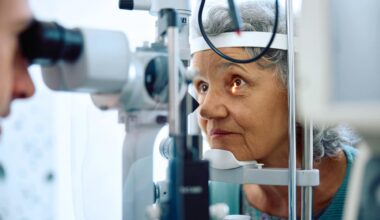
Joanne Matsubara: Granzyme B contributes to subretinal fibrosis in neovascular age-related macular degeneration by modulating inflammation and epithelial-mesenchymal transition
Journal: Journal of neuroinflammation
More than half of patients with neovascular age-related macular degeneration (nAMD) develop subretinal fibrosis, for which no treatment exists. When abnormal and fragile blood vessels grow under the retina, nAMD occurs, causing vision loss and blurry spots. Subretinal fibrosis is a severe complication of nAMD, and involves irreversible scarring and permanent vision loss. Granzyme B is a serine protease which is elevated in human eyes with nAMD. This study found that extracellular granzyme B is a key contributor to subretinal fibrosis in nAMD, modulating inflammation, epithelial-mesenchymal transition, and photoreceptor degeneration. This supported the potential for using granzyme B as a therapeutic target for decreasing subretinal fibrosis in nAMD.
Lara Boyd, Janice Eng: Effects of repeated blocks of split-belt walking on locomotor adaptation, physiological arousal response and cortical activation
Journal: Experimental brain research
Need to navigate around obstacles and messy environments? The ability to adapt your motor control of gait is important for that. Although the central nervous system pulls most of the weight in this function, the autonomic nervous system might modulate this too. The present study examined how cortical activation, physiological arousal and motor adaptation co-modulate during repeated exposure to split-belt treadmill walking, where each leg moves at a different speed. Results indicated that greater gait asymmetry was associated with heightened arousal during early adaptation, suggesting an association between error detection and the response of the autonomic nervous system. These findings suggest cross-system adaptation, with reduced cortical demand, physiological arousal and perceived challenge with practice.
Teresa Liu-Ambrose: Association between sex-specific hand grip strength and plasma HbA1c levels among older adults: a cross-sectional study
Journal: Canadian journal of diabetes
Adults with diabetes have a much higher risk of sarcopenia, a condition involving gradual muscle loss. The present study connected hand grip strength, a key marker of sarcopenia, with a molecular measure of long-term glycemia known as glycated hemoglobin. Trend analysis showed that grip strength and gait speed decreased across HbA1c categories in older men but not women. The non-significant results in women are likely attributable to low statistical power.
John Kramer, Erin MacMillan: Glutamate levels in the cingulate cortex are associated with objective markers of pain sensitivity by way of pre-stimulus alpha band oscillations
Journal: Neurobiology of pain
Everyone’s pain tolerance might be different. Understanding the role of brain function in this variation is crucial for developing individualized pain management strategies. The present study investigated the association between glutamate levels and pain sensitivity and whether alpha band oscillations mediate this. Researchers found that glutamate levels across the cingulate cortex shape subsequent brain responses to noxious input, and that this process is indeed mediated by pre-stimulus alpha band oscillations. Both brain metabolites and oscillations may play an important role in individual variability.
Kiran Soma: Estrogen profiling in blood and brain: Effects of season and an aggressive interaction in a songbird
Journal: PloS one
Neuroestrogens are produced in the brain and regulate social behaviour and cognition. In the song sparrow, 17β-estradiol promotes aggression, even during the non-breeding season. Measuring estrogens is difficult due to their low concentrations and limited sensitivity of existing assays. The present study developed a liquid chromatography tandem mass spectrometry assay for the simultaneous measurement of eleven estrogens using derivatization with 1,2-dimethylimidazole-5-sulfonyl-chloride (DMIS) to enhance sensitivity. This new method was applied to samples from free-living adult male song sparrows to assess the effects of season and an aggressive encounter on blood and brain estrogens. Researchers found that only estrone and 17β-estradiol were detectable in the brain and blood, with strong regional and seasonal differences and much lower levels during the non-breeding season. Although birds showed robust aggressive behavior during simulated territorial intrusions, estrogen levels did not change with aggression. Overall, the novel method enables ultrasensitive measurement of estrogens and will be useful for studies of songbirds and other animals.
Teresa Liu-Ambrose, Janice Eng, Robin Hsiung: The interaction effect of physical activity and sleep on cognitive function in stroke
Journal: Alzheimer’s & Dementia (New York)
Having a stroke greatly increases dementia risk, and poor sleep after stroke is linked to cognitive impairment. This cross-sectional study examined whether physical activity moderates the relationship between sleep and cognitive function in older adults living with chronic stroke. Using accelerometry data from 97 participants, the authors found that moderate-to-vigorous physical activity (MVPA) interacted with sleep duration to predict global cognition: among individuals with shorter sleep duration, higher MVPA was associated with better cognitive performance. Sex-stratified analyses showed this effect in males but not females, suggesting MVPA may buffer the negative cognitive effects of short sleep after stroke, particularly in men.
Wilfred Jefferies: A binary self-amplifying expression platform enabling lipid nanoparticle-free vaccines and nanomedicines
Journal: Nature communications
Conventional mRNA vaccines played a crucial role in mitigating the COVID-19 pandemic but remain hampered by inherent instability, transient expression, limited payload capacity, and complex manufacturing. This study described a new vaccine delivery system called Gemini, a flexible self-amplifying RNA or DNA platform that enables robust and prolonged protein expression without the need for lipid nanoparticle encapsulation. The authors showed that Gemini was more stable during freeze–thaw cycles, compatible with lyophilization and room-temperature storage, and capable of carrying larger genetic payloads than conventional mRNA vaccines. In animal models, a single-dose Gemini-based SARS-CoV-2 vaccine produced sustained protein expression and strong immune responses with a favorable safety profile. Overall, the findings suggested that Gemini could represent a versatile next-generation platform for vaccines and broader applications in molecular medicine and pandemic preparedness.
Lauren Emberson: Evidence of Top-Down Sensory Prediction in Neonates Within 2 Days of Birth
Journal: Developmental Science
Recent studies suggest that infants can use top-down signals to shape perception, but when this ability first emerges has remained unclear. In this study, researchers used functional near-infrared spectroscopy (fNIRS) to show that neonates exhibit top-down sensory prediction at birth. Sleeping newborns learned an association between sounds and visual stimuli, and activity in the occipital cortex was observed not only when visual stimuli were presented, but also when an expected visual stimulus was omitted. A second experiment confirmed that this response depended on learning the audiovisual association, rather than nonspecific arousal. Together, these findings provide the first evidence that top-down modulation of visual processing is present in neonates, suggesting predictive processing plays a role in perception from the very beginning of life.
Teresa Liu-Ambrose, Janice Eng: Intra-individual variability in cognitive performance predicts falls in older adults with chronic stroke
Journal: Aging clinical and experimental research
This study examined whether moment-to-moment variability in cognitive performance predicts fall risk in older adults living with chronic stroke. Using data from a randomized controlled trial, the authors found that greater intra-individual variability in reaction time during a computerized Stroop task—rather than average reaction time—was associated with a higher rate of falls over six months. Specifically, increased variability in the congruent Stroop condition predicted a 20% higher fall rate. These findings suggest that cognitive consistency, not just speed, may be an important marker of fall risk after stroke and could help inform future screening and intervention strategies.
Yu Tian Wang, Xin Tang, Stan Floresco: GluN2B-specific NMDAR positive allosteric modulation reverses cognitive and behavioral abnormalities in Mecp2 and Disc1 transgenic mice
Journal: Science Advances
This study developed and tested a new drug that selectively boosted the activity of the GluN2B subunit of NMDA receptors, a key protein involved in brain development and learning that is often underactive in neurodevelopmental and psychiatric conditions. The researchers showed that their lead compound improved synaptic plasticity in rats and reversed autism-like and cognitive behaviors in two different mouse models linked to GluN2B dysfunction. Overall, the findings suggested that selectively enhancing GluN2B function could be a promising therapeutic strategy for treating cognitive and behavioral symptoms associated with neurodevelopmental disorders.
Todd Woodward: Cognitive modes underlying attentional control deficits in schizophrenia: A functional magnetic resonance imaging (fMRI) study
Journal: Psychiatry research neuroimaging
This fMRI study investigated attentional control deficits in schizophrenia using a trivalent task-switching paradigm. Patients showed impaired performance alongside muted but sustained activation of the Multiple Demand (MD) network, reduced activation of the Language (LAN) network, and excessive suppression of the Default Mode B (DM-B) network compared to neurotypical participants. Notably, MD activation patterns correlated with hallucinations and delusions, while LAN and DM-B abnormalities were linked to poverty of speech and flattened affect. These findings suggest that schizophrenia-related attentional impairments involve both under-engagement of task-positive networks and over-suppression of task-negative networks, with specific neural patterns tied to symptom severity.
Catharine Winstanley, Luke Clark: Risk, reward or repetition? New data on human ventral tegmental area stimulation challenge dominant frameworks
Journal: Brain
This scientific commentary referred to “Stimulation of the human ventral tegmental area increases strategic betting” by Hirschbichler et al. The authors described and evaluated the study in question. Hirschbichler et al performed a reversal learning task in a small group of patients receiving deep brain stimulation for treatment-refractory cluster headaches. The results indicated that stimulation to the ventral tegmental area affected the betting measure, where those stimulated bet less overall and were less likely to simply repear previous bets.
Rebecca Todd, Noah Silverberg, Janice Eng: Relationship between the Rate of Perceived Stability, electrodermal activity and task performance during balance challenges in chronic stroke
Journal: PLoS One
This study examined how walking balance performance and physiological arousal relate to perceived balance stability in people with chronic stroke. Thirty participants completed walking balance tasks while their electrodermal activity (EDA) and self-reported stability (Rate of Perceived Stability, RPS) were measured over two sessions. Better task performance predicted higher perceived stability, while physiological arousal was a weak, independent predictor. Repeat exposure and sex did not influence these relationships. Notably, individual factors not measured—such as fall history or physical activity—explained the largest portion of variability in perceived stability. These findings suggest that while task performance and physiological arousal contribute to balance perception post-stroke, personal characteristics play a dominant role.
Kiran Soma: Neonatal lipopolysaccharide administration causes long-term changes in mouse immunosteroids
Journal: American journal of physiology. Regulatory, integrative and comparative physiology
This study examined how early-life lipopolysaccharide (LPS) exposure affects glucocorticoid (GC) and mineralocorticoid regulation in adulthood. Neonatal mice received LPS or saline on postnatal days 4 and 6, followed by adult LPS or saline on day 90 in a 2×2 design. Blood and lymphoid organs were collected 4 hours after adult treatment. Early-life LPS did not affect blood GC levels in adulthood but increased corticosterone and 11-dehydrocorticosterone in lymphoid organs of adult LPS-treated mice. Early-life LPS also increased aldosterone in blood and bone marrow of adult vehicle-treated females, but decreased it in bone marrow and thymus of males. Transcripts for steroidogenic enzymes, particularly Cyp11b2, and steroid receptors, especially the mineralocorticoid receptor, were modulated in lymphoid organs. These results suggest that elevated local GC and aldosterone production in lymphoid organs may mediate the long-term effects of early-life infections on immune function.
William Panenka, Daniela Palombo, Rebecca Todd, Noah Silverberg: Structural brain alterations and predictors of clinical improvement in functional cognitive disorder after concussion
Journal: Neuroimage clinical
This study investigated structural brain differences in adults with functional cognitive disorder (FCD) after concussion, a subtype of functional neurological disorder that is poorly understood. MRI analyses of 37 individuals with FCD and 25 post-concussion controls revealed no group differences in cortical thickness or subcortical volumes. However, greater memory symptom severity across participants was linked to larger right amygdala volumes, particularly in the lateral, basal, and paralaminar nuclei. In a subset receiving cognitive-behavioral therapy or cognitive rehabilitation, greater pre-treatment cortical thickness in the right inferior frontal gyrus predicted better memory symptom improvement. These findings offer initial insights into the neuroanatomical correlates of FCD and their relevance to symptom severity and treatment response.
Fidel Vila-Rodriguez, Silke Appel-Cresswell: Anxiety is associated with increased risk of suicidality in Parkinson’s disease
Journal: Journal of Parkinson’s disease
This study examined suicide risk in 129 people with Parkinson’s disease (PD) undergoing clinical trial screening. Using structured psychiatric interviews and questionnaires, researchers found that 22.5% of participants were at risk for suicide, though only 3.9% reported a lifetime attempt. Risk was linked to higher anxiety and depressive symptoms, as well as benzodiazepine use, but not to demographic or PD-related factors. Notably, a commonly used single-item depression screen missed nearly half of at-risk individuals. The findings underscore the need for routine, comprehensive suicide risk screening in PD, as single-item measures may fail to identify many at-risk patients.
Thalia Field: Brain-derived tau for monitoring brain injury in acute ischemic stroke
Journal: Science translational medicine
This study evaluated plasma brain-derived tau (BD-tau) as a blood biomarker for acute ischemic stroke in over 1,000 patients across multiple cohorts. Higher BD-tau levels at admission were linked to larger early brain injury and predicted final infarct size, while increases over the first two days corresponded to infarct growth. BD-tau levels also reflected secondary events and recanalization success after thrombectomy. Compared with other blood markers and imaging metrics, BD-tau more accurately predicted functional outcomes up to 36 months. In a phase 3 trial substudy, BD-tau captured treatment effects of nerinetide. Overall, BD-tau provides a sensitive measure of acute brain injury, predicts long-term outcomes, and may serve as a surrogate endpoint for stroke therapies.
Mahmoud Pouladi: Alterations in Both Caliber and Myelination of Callosal Axons Elicited by Ubiquitous Genetic Ablation of c-Jun Amino-Terminal Kinase 3 (JNK3)
Journal: Journal of neurochemistry
This study investigated the role of the JNK3 kinase in myelination. In mice lacking JNK3, oligodendrocyte progenitor cells (OPCs) were increased, but mature oligodendrocytes were unchanged. These mice also showed more small-diameter callosal axons with thinner myelin sheaths and reduced phosphorylation of neurofilaments, which help link axons to myelin. The findings suggest that JNK3 influences OPC proliferation, axonal structure, and myelin thickness, highlighting a previously unrecognized role for this kinase in myelin development and maintenance.
Thalia Field: Genetics and Brain Health in Adults With Congenital Heart Disease: A Consensus Statement From the ACHD/Neuro 2024 Conference
Journal: Journal of the American Heart Association
This review highlights gaps in understanding brain health in adults with congenital heart disease (CHD). Each group identified five key knowledge gaps and corresponding next steps. For Genetics and Brain Health, gaps included: lack of a standardized neuroimaging protocol, need to understand neuroradiological–pathological–neuropsychological correlates, the role of gene–environment interactions, insights from other brain health risk models, and how existing multimodal approaches influence risk and neuroresilience. Multidisciplinary collaborative efforts that incorporate adults with CHD across the research cycle are essential to address these gaps.
Brian Christie: A Novel NLRP3 Inhibitor AMS-17 Rescues Deficits in Long-Term Potentiation Following Mild Traumatic Brain Injury in Adult C57Bl/6 Mice
Journal: Hippocampus
Traumatic brain injury (TBI) is a leading cause of long-term disability, with limited effective treatment options. One key factor of TBH pathophysiology is neuroinflammation, which can involve the activation of the NLRP3 inflammasome. Uncontrolled inflammation after injury can reduce the brain’s capacity to induce long-term changes in synaptic plasticity, a leading mechanism in the development of learning and memory deficits. The present study investigated the potential of a novel NLRP3 inhibitor, AMS-17, to mitigate these synaptic plasticity deficits. Researchers found that mTBI induced deficits in long-term potentiation that were not immediate at 2 h post-injury but developed by 3 days post-injury. When brain slices were incubated with AMS-17, the deficits in long-term potentiation were rescued to the level observed in controls without mTBI. Targeting the NLRP3 inflammosome with AMS-17 may offer a promising therapeutic strategy, although further studies must determine its optimal therapeutic window and long-term efficacy.
Helen Tremlett: Setting priorities for how future research in multiple sclerosis in Canada considers equity, diversity and inclusion: A modified e-Delphi study
Journal: Multiple sclerosis journal – experimental, translational and clinical
Currently, research studies in multiple sclerosis (MS) lack diversity. The present study aimed to gain consensus on priorities about how future Canadian MS research addresses equity, diversity and inclusion (EDI) using a modified e-Delphi method. In collaboration with people with lived experience with MS, EDI researchers and clinicians, researchers developed surveys and identified priorities for how future MS research in Canada should address EDI.
Journal: PLoS One
Glucocorticoids are critical steroid hormones secreted from the adrenal glands. In rodents, over 90% of circulating corticosterone is bound to proteins while the rest remain unbound. Only free glucocorticoids can enter cells and bind receptors, so it is crucial to measure them accurately. Researchers developed a method to directly measure free glucocorticoids in a small volume of rodent serum using ultrafiltration and liquid chromatography-tandem mass spectrometry. This novel method can measure free 11-deoxycorticosterone (corticosterone precursor), corticosterone, and 11-dehydrocorticosterone (corticosterone metabolite) in as little as 30 µl of mouse and rat serum.
Mahmoud Pouladi, Blair Leavitt, Michael Hayden: Silencing of human HTT by targeted CRISPR/dCas9-mediated epigenetic editing
Journal: Journal of Huntington’s disease
Gene silencing is widely recognized as a promising therapeutic approach for different disorders and often uses RNA interference as a main mechanism. However, it can also be achieved through directed epigenetic editing using a CRISPR/dCas9 effector fused to DNA methyltransferase 3A. The present study used this system to silence HTT, the gene behind Huntington’s disease. The resulting DNA methylation resulted in robust, acute silencing of HTT which could persist for up to 30 days. DNA methylation editing may be an attractive therapeutic approach for Huntington disease due to its potential for long-term silencing and reversibility.
Teresa Liu-Ambrose: Effect of a 24-week resistance exercise intervention on cognitive function in cognitively normal older adults: The AGUEDA randomized controlled trial
Journal: Alzheimer’s & dementia: the journal of the Alzheimer’s Association
The Active Gains in Brain Using Exercise During Aging (AGUEDA) trial examined the effects of a 24 week resistance exercise intervention on executive function and other cognitive domains in cognitively normal older adults. Twenty-four week RE produced selective improvements in attention/inhibitory control, but did not improve executive function or other cognitive domains (episodic memory, processing speed, visuospatial processing, and working memory). Resistance exercise improved muscular strength, which was associated with gains in EF, episodic memory, and working memory. There is value in personalized exercise interventions tailored to individual risk populations, such as those with higher subjective cognitive decline.
Sarah Kraeutner, Lara Boyd: Repeated exposure to motor imagery enhances focal brain activation during motor imagery practice after stroke
Journal: Neuroscience letters
Stroke results in motor impairments of the upper limbs and is linked to altered activation in sensorimotor regions. Motor imagery activates these brain regions and may help us recover motor function. In this study, thirty-three individuals with stroke performed motor imagery of an upper-limb movement using their paretic arm and hand across two sessions on two different days. Functional magnetic resonance imaging found that practicing motor imagery induced changes in brain activation after only two sessions. Familiarizing individuals to motor imagery prior to its use may improve applications of it for learning and recovery.
Teresa Liu-Ambrose: Home-based exercise reduces fall risk in older adults with mild cognitive impairment who have sustained a hip fracture: A 6-month randomized controlled trial
Journal: Maturitas
This 6-month RCT examined whether the home-based Otago Exercise Program (OEP) reduces fall risk in older adults with mild cognitive impairment following hip fracture. Sixty participants (mean age 80) were randomized to OEP or standard care. At 6 months, OEP improved fall risk, delayed recall, and frailty scores compared with standard care, with no effects on other secondary outcomes. The findings support exercise as an effective strategy to reduce falls and improve cognitive function and frailty in this high-risk population.